👾 Game Master
9/26/2023, 1:30:27 AM
JKY: Navigating Turbulent Times and Recovery
Introduction
This article analyzes the performance of Jileky Investment, Inc. (JKY), a prominent financial services company known for its Corporate & Investment Bank (CIB), Commercial Banking (CB), and Asset & Wealth Management (AWM) businesses. JKY faced a significant financial crisis due to a default by a major international hedge fund client, leading to a potential loss of billions of dollars. The subsequent actions taken by JKY and external market events have had a substantial impact on the company's stock market performance. This analysis aims to provide insights into JKY's response to the crisis and the METE pandemic, the influence of key market factors, and its prospects for recovery.
Jileky's Financial Crisis and Response
At the beginning of the season, JKY encountered a major setback when a large international hedge fund client defaulted on a margin call. The ensuing liquidation resulted in a potential loss of up to $6 billion for JKY. In response, the company implemented a series of measures to address the financial damage, including the termination of share repurchases, dividend cuts, and changes in key management positions. Initially, the market reacted with shock, leading to significant volatility in JKY's stock price. However, as JKY's proposed measures were announced, the stock price gradually recovered, albeit with continued fluctuations.
JKY’s story had a prototype. In 2021, the Wall Street Journal reported that Bill Hwang, the manager of Archegos Capital Management , lost $20 billion USD over 10 days. This loss might be the biggest margin call of all time. Credit Suisse suffered a significant financial blow of $4.7 billion as a result of the Archegos Capital Management debacle. The hedge fund's collapse led to massive losses not only for Archegos but also for the banks that financed its trades, including Credit Suisse. The losses severely impacted the bank's profits and raised concerns about its risk management practices. The market was apparently not buying Credit Suisse’s post-crisis measures, and the company’s stock price dropped significantly in the following month.
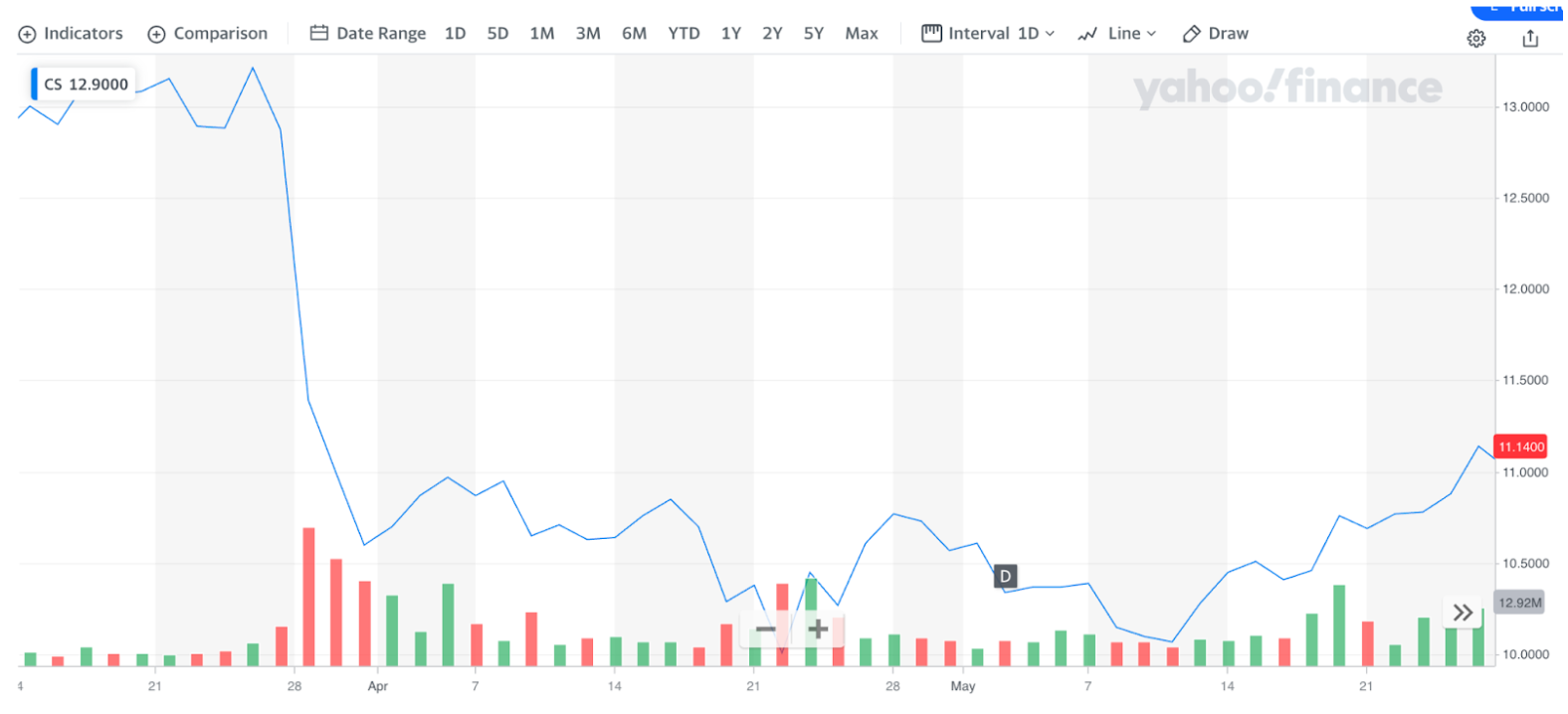
This article revealed more details on what had happened to Credit Suisse and the Archegos Capital Management in 2021: https://www.nytimes.com/2021/07/29/business/credit-suisse-archegos.html.
The Impact of Federal Reserve's Interest Rate Hike
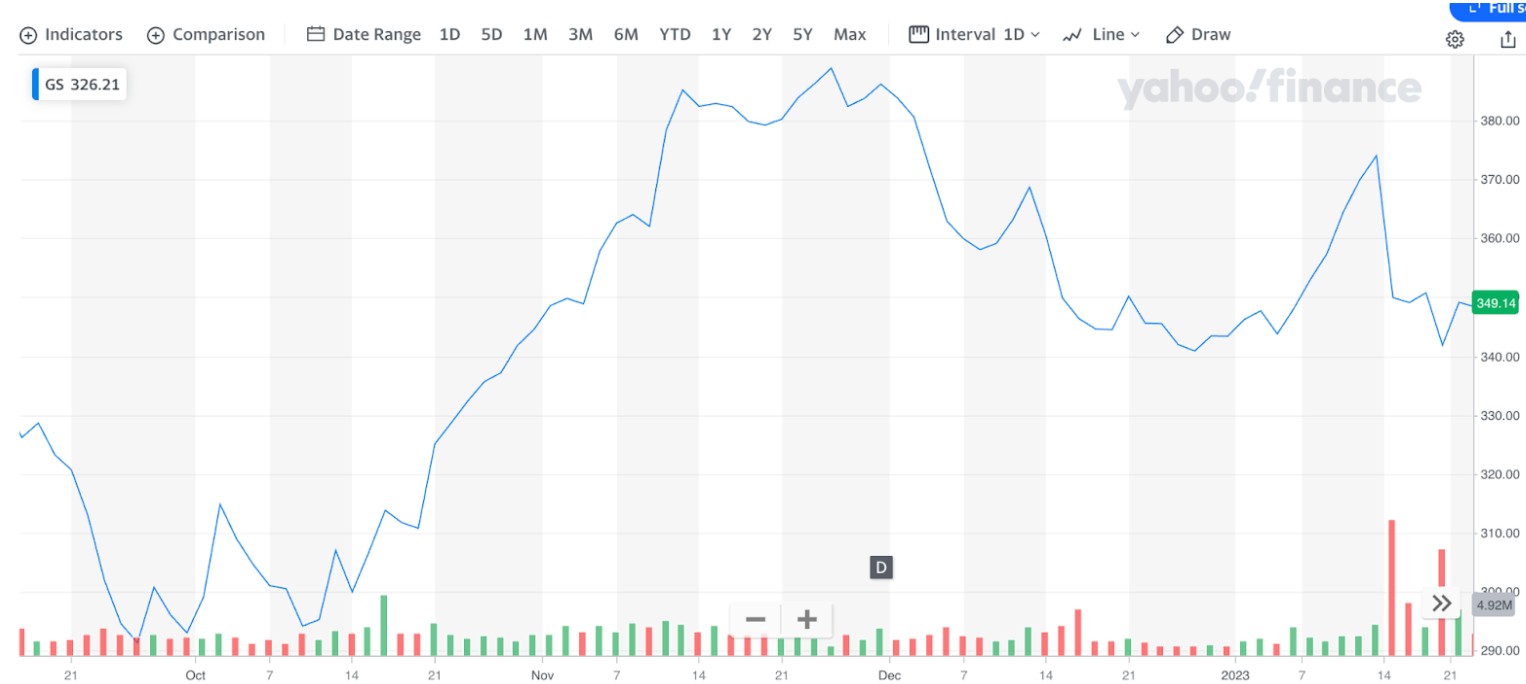
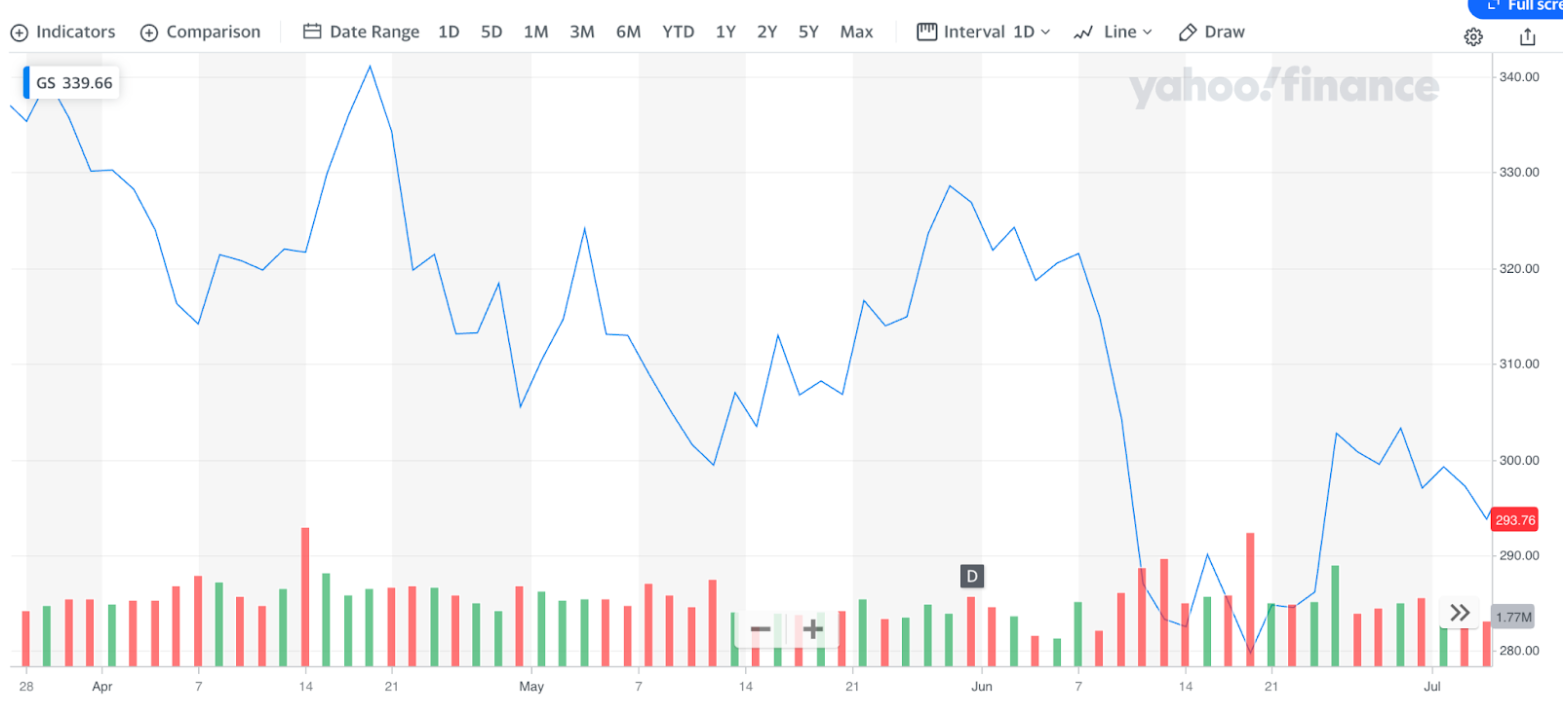
During the season, the Federal Open Market Committee (FOMC) raised the federal funds rate by 25 basis points, marking the first rate hike since the onset of the pandemic. This decision aimed to address the high levels of inflation in the United States. However, the rate hike had implications for JKY as a financial services company. Higher interest rates increased borrowing costs for individuals and businesses, impacting the demand for financial products and services offered by Jileky Investment. Additionally, the value of bonds held in JKY's investment portfolio decreased due to the inverse relationship between bond prices and interest rates. This thus led to a decline in JKY’s stock price.
Historically, the impact of rate hike on companies in the financial industry is often uncertain. For instance, during the rate hike from October 2022 to December 2022, Goldman Sachs’ stock price grew slightly:
Yet, during the rate hike during April 2022 to July 2022, GS’s stock price dropped:
When analyzing the influence of macroeconomic conditions on companies, it is important to relate the company’s internal conditions to the external conditions. For a financial company, an example would be verifying whether or not the company holds large values of bond in its portfolio.
Jileky's Strategic Response to the Pandemic
Amid the METE pandemic, which triggered a crisis in the U.S. banking and financial system, JKY's management team demonstrated their ability to navigate through challenging times. They developed detailed strategies to handle the pandemic's impact, minimizing losses and safeguarding the company's assets. This proactive approach allowed JKY to weather the storm more effectively than many other financial institutions. Furthermore, JKY capitalized on the government's bailout funds, using them to repay the assistance received and emerge stronger from the recession.
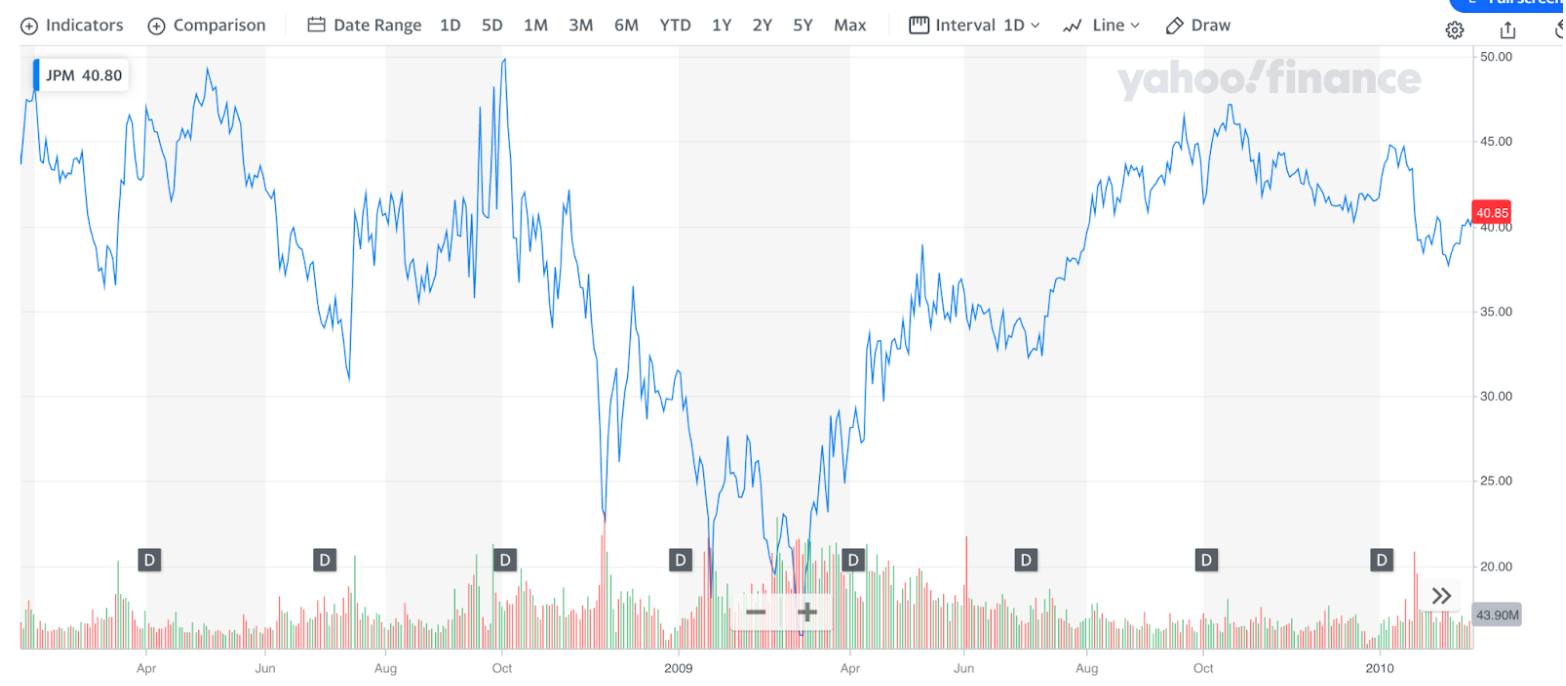
Similarly, during the 2008 CDO recession, JPMorgan weathered the crisis better than most other investment banks. Under the leadership of Jamie Dimon, who has been at the helm of JPMorgan Chase since 2005, the bank has experienced remarkable success, navigating through the financial crisis and emerging as a dominant player in the industry. Dimon's strategic vision, strong leadership, and hands-on approach have shaped JPMorgan Chase into what it is today.
In the midst of the 2008 financial crisis, Bear Stearns faced a collapse due to the burden of risky assets it held. Under the oversight of regulators, JPMorgan acquired Bear Stearns at a price of $10 per share. In the same year, Jamie Dimon, the CEO of JPMorgan, also agreed to purchase Washington Mutual, which was the largest savings and loan institution in the United States at that time. These strategic acquisitions enabled Dimon to transform JPMorgan into a massive and influential entity in the financial industry. A series of successful measures helped JPMorgan to minimize its loss and quickly recover from the strike within a year.